
responsible-wildlife-watching
KHLONG SAENG · RESPONSIBLE TRAVEL
responsible-wildlife-watching
Responsible wildlife watching in Khlong Saeng means giving animals space, keeping noise low, never feeding or chasing wildlife, following sanctuary rules and accepting that sightings are never guaranteed.
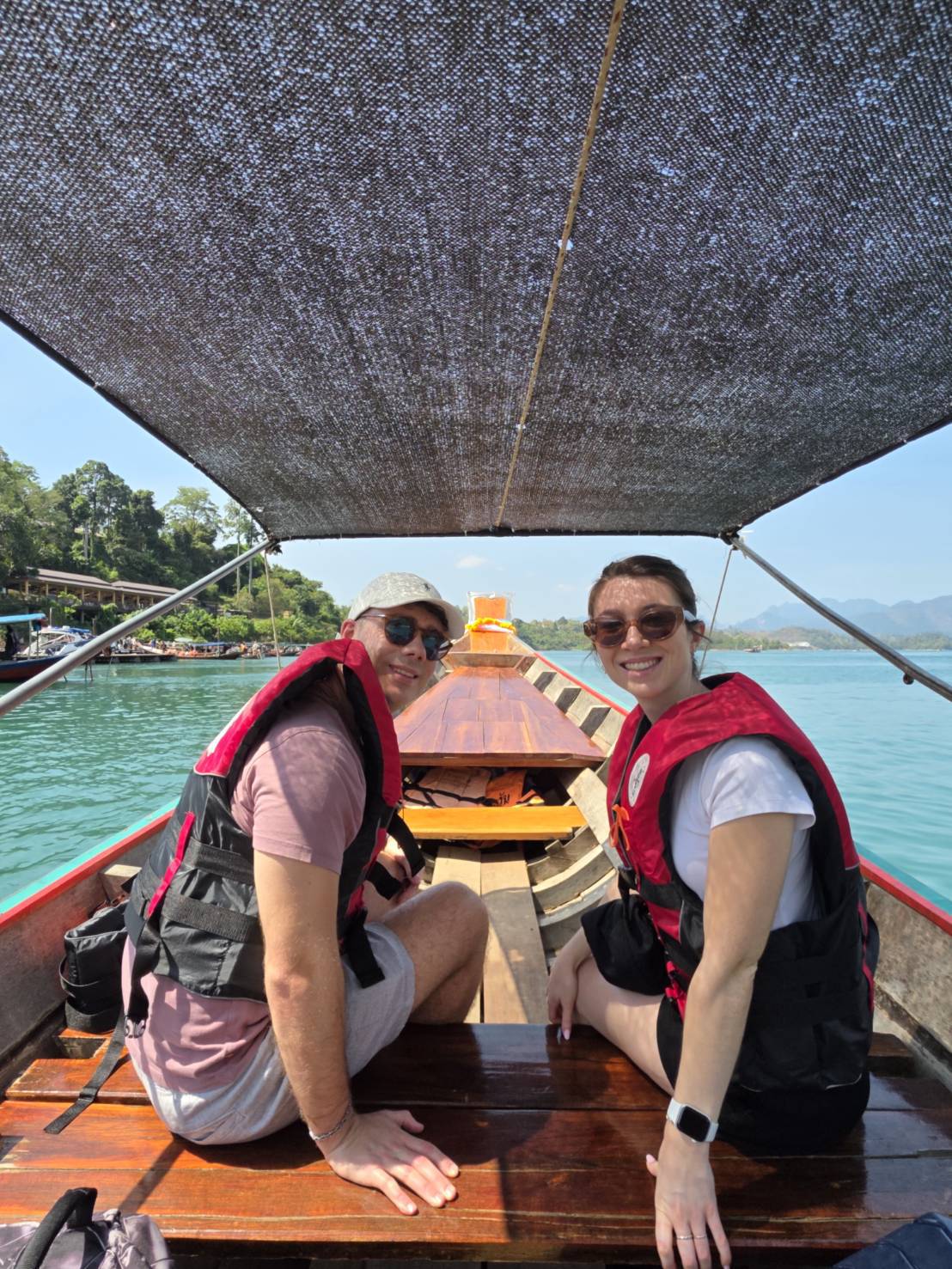
Responsible wildlife watching means observing quietly, keeping distance and allowing wild animals to behave naturally.
Distance Is Behavioural, Not Just Numerical
A fixed number of metres cannot describe every encounter. Species, terrain and circumstances differ. The practical rule is that wildlife should retain space, an escape route and normal behaviour. If an animal becomes alert, retreats or changes direction because of the boat, pressure should be reduced.
Noise Changes the Experience
Loud voices, repeated engine acceleration and sudden movement can cause wildlife to disappear before visitors even see it. Quiet travel benefits both animals and observers.
Never Feed or Bait
Feeding changes natural behaviour, can create dependency and may draw wildlife toward people or boats. A genuine encounter occurs because the animal chose to use that habitat, not because food was offered.
Never Chase a Sighting
When an animal moves away, extending a sighting by repeatedly following it can become harassment. The responsible choice may be to stop, remain distant or leave.
Rare Species Need Extra Care
Precise recent locations of rare carnivores, nests or sensitive wildlife should not be publicly mapped. Conservation information can be educational without becoming a location guide.
No Guarantees
Wildlife guarantees create unrealistic expectations and can incentivise intrusive behaviour. Skilled guiding improves interpretation, timing and search strategy; it cannot control wild animals.
KEY FACTS
GOOD TO KNOW
Keep space | Stay quiet | Never feed | Never bait | Never chase | Follow current sanctuary rules | Do not publish sensitive locations | Sightings are never guaranteed
Local regulations and sanctuary instructions always take priority over general wildlife-watching advice.
Frequently Asked Questions
Can boats approach elephants closely?
They should remain far enough away that elephants have space, an escape route and continue natural behaviour, while also following any current official rules.
Is feeding wildlife allowed?
Wild animals should never be fed or baited for observation.
Why shouldn't rare-animal locations be shared?
Precise locations can increase disturbance and other risks. Educational information does not require publishing sensitive coordinates.
What if an animal walks away?
Allow it to leave. Do not pursue simply to prolong a sighting.
Can guides guarantee wildlife?
No. Expertise can improve how and where observers search, but free-ranging wildlife remains unpredictable.